Cut & remove · controlled demolition
Selective Concrete Demolition in Miami
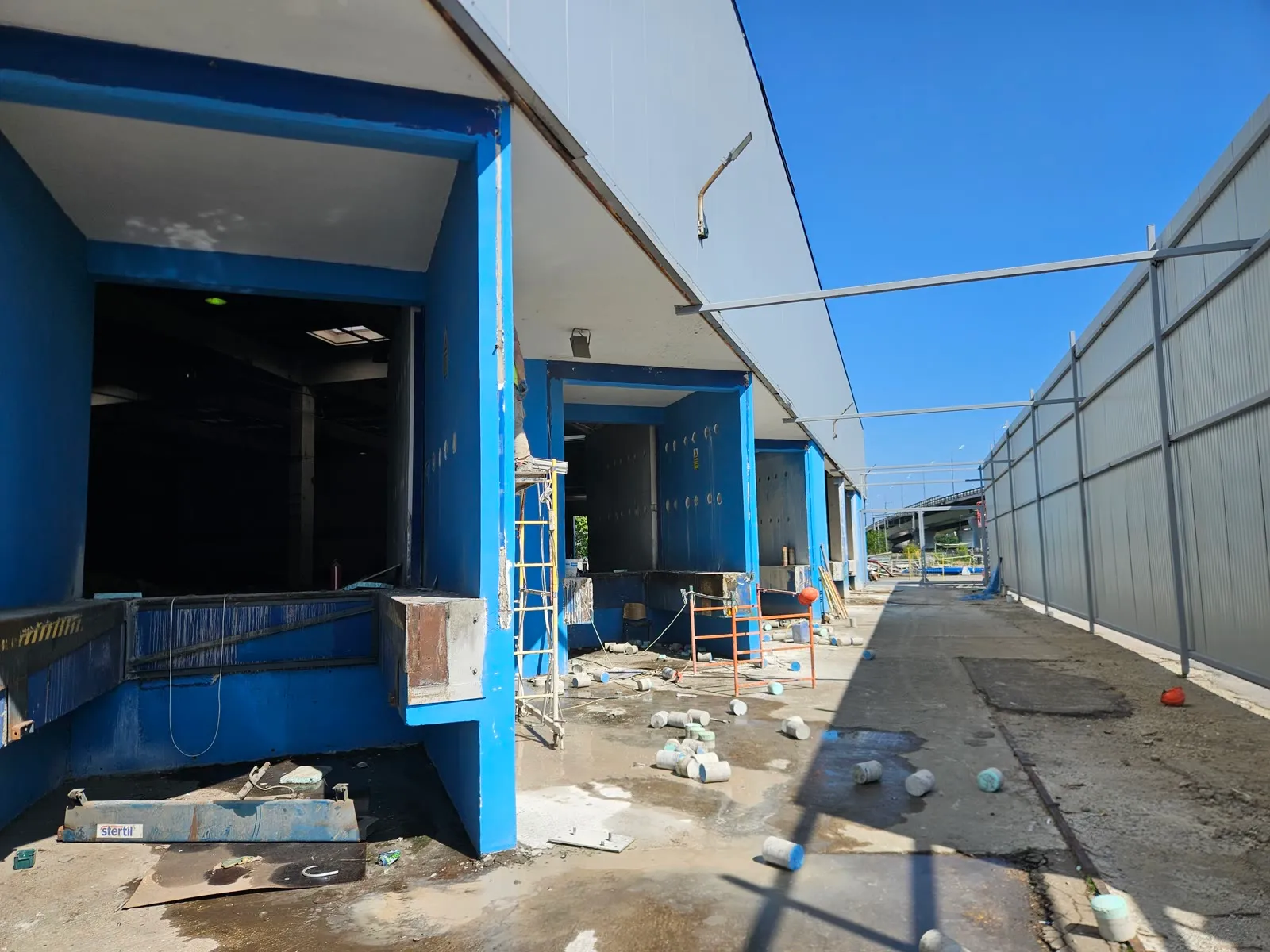
Selective demolition takes out exactly the concrete on the drawing and nothing else. The sequence is cut first, break second: sawn perimeters define the removal, then sections come out sized to the machine, the rigging, or the wheelbarrow.
- Slabs, stairs, ramps, walls, pads
- Vibration-controlled next to live structure
- Robotic breakers for interior floors
- Debris out and site broom-clean by scope
Why “cut first” defines good demolition
Uncontrolled breaking propagates cracks past the removal line into concrete that stays. A sawn perimeter — slab saw on floors, wall saw on vertical work, wire on mass elements — isolates the demo area so everything inside can be broken and hauled while everything outside stays sound. The edge that remains is straight and ready to be doweled and poured against.
Inside occupied buildings, the breaking itself gets engineered down: remote-controlled demolition robots, mini-excavators with breakers, or hand methods, chosen by floor loading and vibration limits. The engineer of record governs removal sequence and temporary support on anything structural — same rule as every other page on this site: operators execute the design, they don't improvise it.
Common selective demolition scopes
Slab sections & bays
Damaged, contaminated, or re-designed slab areas removed to the sawn line — restaurants, warehouses, garages.
Stairs & ramps
Cast stairs and ramps removed for reconfiguration — cut into rigged pieces where they hang over occupied space.
Walls & partitions
Full wall removals sectioned by saw, including enlargements that become openings.
Equipment pads & bases
Machine bases and housekeeping pads out of operating facilities with minimal disruption.
Balcony & deck restoration
Delaminated concrete cut to sound edges on South Florida restoration projects.
Curbs, planters & site concrete
Sitework removals where saw-defined edges keep the remaining hardscape intact.
How a removal scope runs
-
Define the removal
Plan markup of what goes, thicknesses, and what the void becomes — that drives edge quality requirements.
-
Cut the perimeter
Sawn lines isolate the removal; scanning first on elevated and PT decks.
-
Break and size
Sections broken or cut to pieces the equipment and the building can handle.
-
Haul and hand off
Debris out, slurry recovered, edges cleaned — measured against the agreed end state.
What helps price selective demolition
- Marked plan or photos showing exactly what comes out
- Thickness and reinforcement if known; PT status on elevated decks
- Floor level, elevator/opening sizes, and the debris path to the truck
- Vibration or noise limits from the building or neighbors
- Who takes the debris — included haul-off or your dumpsters
- What the space must look like at handoff (broom-clean, doweled edges, etc.)
Frequently asked questions
How is this different from general demolition?
Scale and precision. General demo clears whole structures; selective demolition removes defined elements from a building that keeps operating. The toolset is saws and controlled breakers rather than high-reach excavators.
Can demolition happen above or next to occupied floors?
Yes — with containment, vibration-controlled methods, and usually night or phased windows. Occupancy above and below is one of the first questions on the request form because it drives method and price.
What happens to the concrete debris?
Clean concrete is typically hauled for recycling as fill/aggregate. Haul-off can be in the cutting scope or left to the GC’s dumpsters — say which in the request, because it moves the price meaningfully.
Who designs shoring for structural removals?
The engineer of record. Anything carrying load gets an engineered removal sequence and temporary support design before cutting starts; the demolition crew executes it.
Project intake
Scope a removal
Mark up what comes out, note thickness and access, attach photos. Independent Miami-area operators price the cut-and-remove scope.