Electrical · conduit & feeder penetrations
Core Drilling for Electrical Conduit
Service upgrades, EV charger runs, generator feeds, and data backbone pathways all need conduit through structure. Cores put each penetration exactly on the route — including tight multi-conduit clusters.
- 1–6 in cores cover most conduit sizes
- Clustered cores for parallel runs
- Dry / vacuum drilling where water is barred
- Electrical room and riser closet friendly
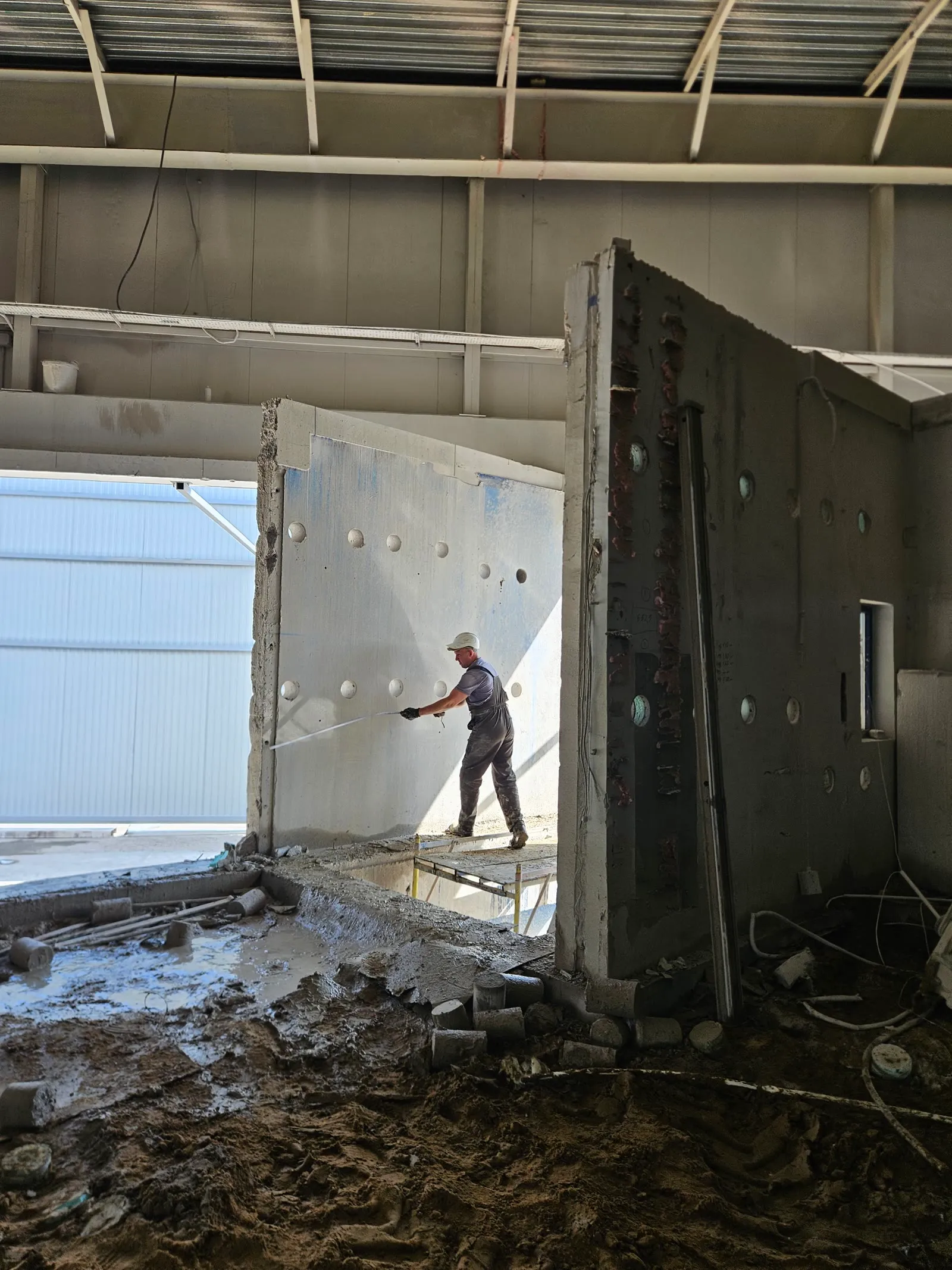
Electrical work that crosses structure
The electrical scopes generating core drilling in Miami right now: EV charging infrastructure pushed through parking structures, service and panel upgrades in buildings that have run out of spare pathways, generator and life-safety feeders, and fiber or low-voltage backbone routes between floors. Each one is a set of exact holes — often several conduits in parallel, spaced close enough to share a route but far enough to pull and bend.
Electrical rooms add their own constraint: water and energized gear do not mix. Coring near live switchgear is commonly done dry with HEPA vacuum extraction, or scheduled around shutdowns — the wet vs dry guide explains the trade-offs. Embedded conduit already in the slab is a second reason (after tendons) to scan before drilling: cutting someone else's live feeder is the classic core drilling accident.
Common electrical core sizes
| 3/4 – 1 in conduit | 1.5 – 2 in core |
|---|---|
| 2 in conduit | 3 in core |
| 3 in conduit | 4 in core |
| 4 in conduit / duct bank member | 5 – 6 in core |
| Multi-conduit cluster | Individual cores on a layout grid, or one large core with a sleeve plate |
| Floor boxes / poke-throughs | Device-specific cores, commonly 3 – 8 in, at exact furniture layout points |
Typical electrical scenarios
EV charger infrastructure
Conduit routes through parking garage decks and walls — high hole counts, repetitive sizes, and PT decks that demand scanning first.
Service & panel upgrades
New feeder paths from switchgear to remote panels through walls and floors that were never designed for them.
Data / low-voltage backbone
Riser pathways between telecom closets, drilled in stacked alignment floor over floor.
Poke-throughs & floor boxes
Open-plan office power at exact furniture coordinates — small cores, tight tolerance, occupied floors below.
What an electrical core drilling request should include
- Conduit sizes and count per route
- Cluster geometry — spacing between cores, or a sketch of the layout
- Element and thickness (slab, shear wall, garage deck)
- Whether drilling happens near energized equipment (dry-method flag)
- GPR status — embedded conduit and tendons both matter here
- One-line, riser diagram, or a marked plan — anything beats a verbal description
Frequently asked questions
How close together can cores be drilled?
Structurally, cores generally need at least a core-diameter of solid material between holes, and more on PT decks — the engineer of record has the final word on tight clusters. For pulling ease, most electricians space conduit cores wider than that anyway.
Can drilling happen next to live switchgear?
With planning, yes: dry or vacuum-assisted drilling, shielding, and coordination with the facility on shutdown windows. Call out energized-adjacent work explicitly in the request — it changes method and crew requirements.
What if there is already conduit buried in the slab?
That is exactly what GPR scanning finds. Embedded conduit shows up alongside rebar and tendons, and hole locations get adjusted before the bit ever touches concrete.
Do you cut trenches for conduit in slabs too?
Yes — saw-cut conduit trenches in slab-on-grade are slab sawing work, commonly combined with coring in one mobilization for EV and service upgrade projects.
Project intake
Price your conduit penetrations
Conduit sizes, counts, routes, and drawings. Independent Miami-area operators review the scope and price the actual work.